
Esport1 is Hungary's first and largest esports and gaming media company, established in 2016. The company's esports and gaming content attracts over 500,000 viewers each month. With extensive experience, Esport1 organized the second OGEX (Országos Gaming Expo) national tour. A highlight of the 2023 event was the Rocket League esports competition held at Millenáris in Budapest. During the two-day competition, 20 esports players fiercely competed, with thousands of viewers watching the live broadcast of the matches.
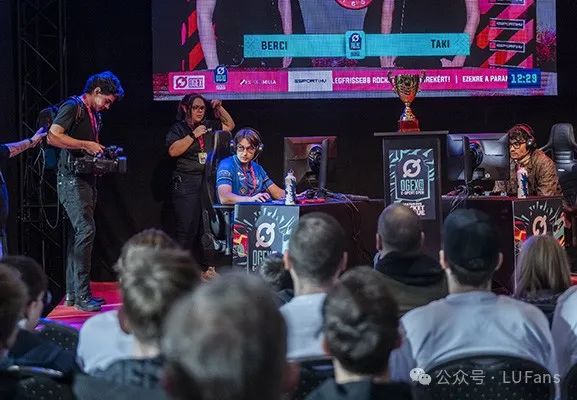
The location of the OGEX venue posed challenges for the production team: first, Esport1's studio is far from the competition site, and second, the esports event was conducted under offline (local area network) conditions. To achieve high-quality live broadcasts, Esport1 opted for a remote production approach. The connection of live video from the offline competition was a significant challenge, as multiple cameras around the stage needed to transmit video in real-time to the studio and synchronize with the audio from the live host's microphone. At the same time, the host required a reliable intercom solution to maintain communication with the studio.
Esport1 maximized the remote production capabilities of the LiveU ecosystem. Three LU800 field-grade production encoders were deployed on-site, allowing the production team to provide fully synchronized camera signals and embedded host audio. Additionally, two internal communication channels of the LU800 were used to separate the instructions between the cameraman and the host. The multi-camera functionality of the LU800 enabled the on-site staff to simultaneously transmit POV video from three cameras, as well as the overall shot and game live feed to the studio for remote mixing.
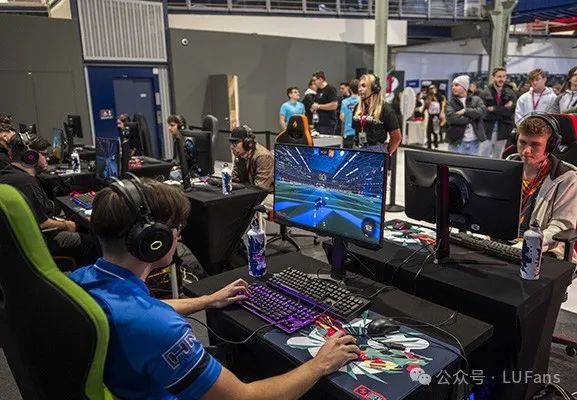
Esport1's management reflected, "In this live broadcast project, the mobility of the cameras was crucial, while remote data transmission ensured robust stability. LiveU's solution provided new production ideas, allowing us to avoid arranging new technical personnel and on-site equipment deployment, effectively controlling costs. One of the advantages of remote production is that we can install and move multiple cameras within an existing system without having to create and deploy an entirely new system, achieving true low-cost high efficiency!"