
According to the Satellite Broadcasting Center of the National Radio and Television Administration, from February 26 to March 17, 2024, the satellite used for broadcasting television programs in our country will enter a solar conjunction period, during which satellite broadcasting reception will be affected by solar interference.
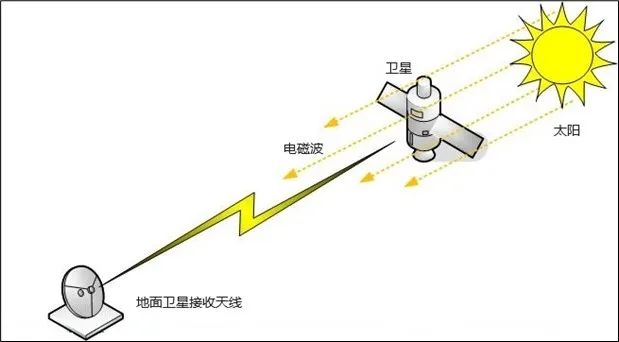
The solar conjunction phenomenon occurs when the broadcasting satellite is positioned between the sun and the Earth, and is aligned in a straight line with the satellite receiving antenna on the ground. The interference caused by solar light waves on the satellite's downlink signal is referred to as the solar conjunction phenomenon.
Schedule for the upcoming solar conjunction impact

During the solar conjunction phenomenon, satellite television users may experience pixelation or even signal interruptions on their screens, which is a normal occurrence and should not cause concern. The television picture typically resumes normalcy within a few minutes, and at most, it should not exceed 20 minutes. The "Zhongxing 9" satellite will experience solar conjunction around 2 PM in major cities across the country.
Solar conjunction phenomenon: When the broadcasting satellite is positioned between the sun and the Earth, and is aligned in a straight line with the satellite receiving antenna on the ground, the interference caused by solar light waves on the satellite's downlink signal is referred to as the solar conjunction phenomenon. Solar conjunction is a natural occurrence that generally happens during a period around the spring equinox and the autumn equinox. The impact of solar conjunction on satellite television users occurs twice a year, with each period lasting about 15 days. Solar conjunction typically occurs around midday, lasting from a few minutes to 20 minutes each time. The specific timing is related to the satellite's orbital position, the latitude and longitude of the ground satellite receiving antenna, and the size of the ground satellite antenna's aperture. Therefore, the timing of solar conjunction's impact on satellite ground receiving stations will vary by region.
Impact of solar conjunction phenomenon on satellite broadcasting reception: During the solar conjunction phenomenon, satellite television users may see pixelation or even signal interruptions on their screens, which is a normal occurrence and should not cause concern. The television picture typically resumes normalcy within a few minutes, and at most, it should not exceed 20 minutes.
C-band satellite television signals may be more severely affected by solar conjunction interference compared to Ku-band satellite television. This is because the frequency band of C-band satellite television is generally related to solar activity, and during the spring solar conjunction period, the solar radiation intensity is greater, making the interference on satellite television signals more pronounced. Additionally, C-band satellite television receiving equipment is more sensitive compared to Ku-band satellite television, making it more susceptible to interference.
Like Ku-band satellite television users, C-band satellite television users can take certain measures to reduce the impact of solar conjunction on their signals. For example, adjusting the angle of the satellite antenna to avoid direct sunlight; using signal boosters to enhance television signal reception; or utilizing other types of television signal transmission methods during the spring solar conjunction period, such as cable television or internet television.